Understanding Tinnitus and Its Impact
Tinnitus is characterized by the perception of sound when no external sound is present, frequently described as ringing, buzzing, hissing, or clicking. This condition can be categorized into two main types: subjective tinnitus, which is the most prevalent and can only be heard by the affected individual, and objective tinnitus, which can be detected by a healthcare provider during an examination. Symptoms vary widely among individuals, with some experiencing persistent noise while others hear intermittent sounds that can change in volume and pitch.
The psychological and emotional impact of tinnitus can be profound, leading to feelings of anxiety, frustration, and even depression. Many individuals find that their quality of life diminishes as they struggle with the intrusive sounds, which can disrupt daily activities, concentration, and social interactions. The constant perception of sound can become a source of stress that exacerbates feelings of isolation and helplessness.
Research indicates that tinnitus affects a significant portion of the population, with studies suggesting that approximately 10-15% of adults experience it to some extent. This prevalence highlights the importance of understanding tinnitus and its implications, as many sufferers may not seek treatment due to lack of awareness or stigma associated with the condition. Moreover, the relationship between tinnitus and sleep disruption is significant; many individuals report difficulties falling asleep or staying asleep, leading to chronic fatigue and further complications for overall mental health.
Living with tinnitus can alter daily routines significantly. Many individuals may resort to avoiding situations where background noise can exacerbate their symptoms, potentially leading to withdrawal from social interactions, hobbies, and even work. Consequently, awareness and effective management strategies are essential components in navigating the challenges posed by this condition.
The Science Behind Sound Therapy
Sound therapy, a form of treatment primarily aimed at alleviating tinnitus symptoms, leverages various sound types to mask or reduce the perception of ringing in the ears. This therapeutic approach is grounded in the principle that sound can influence auditory perception and overall ear health. The primary mechanism through which sound therapy operates is its ability to provide environmental sounds that occupy the auditory space, effectively distracting the brain from focusing on the tinnitus noise.
One of the most widely recognized forms of sound therapy is the use of white noise. White noise contains a mix of all audible frequencies, which helps create a soothing background environment. This sound type is beneficial in bedtime routines, helping individuals transition from silence to a more sound-rich environment, ultimately reducing the harsh contrast that can highlight tinnitus. Additionally, studies suggest that white noise can assist in habituating the listener’s perception of tinnitus, making it less bothersome over time.
Aside from white noise, nature sounds have also gained popularity in sound therapy. Sounds such as ocean waves, rustling leaves, or rain can create a calming atmosphere that fosters relaxation. These familiar and pleasant sounds may help individuals suffering from tinnitus by promoting a psychological reset, thus reducing stress levels associated with the condition. Specialized frequencies, used in certain sound therapy applications, are designed to target specific auditory pathways, offering relief tailored to the frequency range of an individual’s tinnitus.
In conclusion, the efficacy of sound therapy in treating tinnitus rests upon its ability to offer a diverse array of auditory experiences that engage the brain and diminish the prominence of incessant ringing. Pursuing sound therapy options may potentially empower those dealing with tinnitus to reclaim peace through carefully chosen soundscapes.
How Our App Works: Features and Benefits
Our tinnitus relief sound therapy app is designed with a variety of features that cater specifically to the needs of those suffering from tinnitus. At its core, the app provides diverse audio options, allowing users to select from a range of soothing sounds, including nature sounds, white noise, and calming melodies. This versatility is key in helping users find personalized sound therapy that effectively masks their tinnitus, making daily activities more manageable.
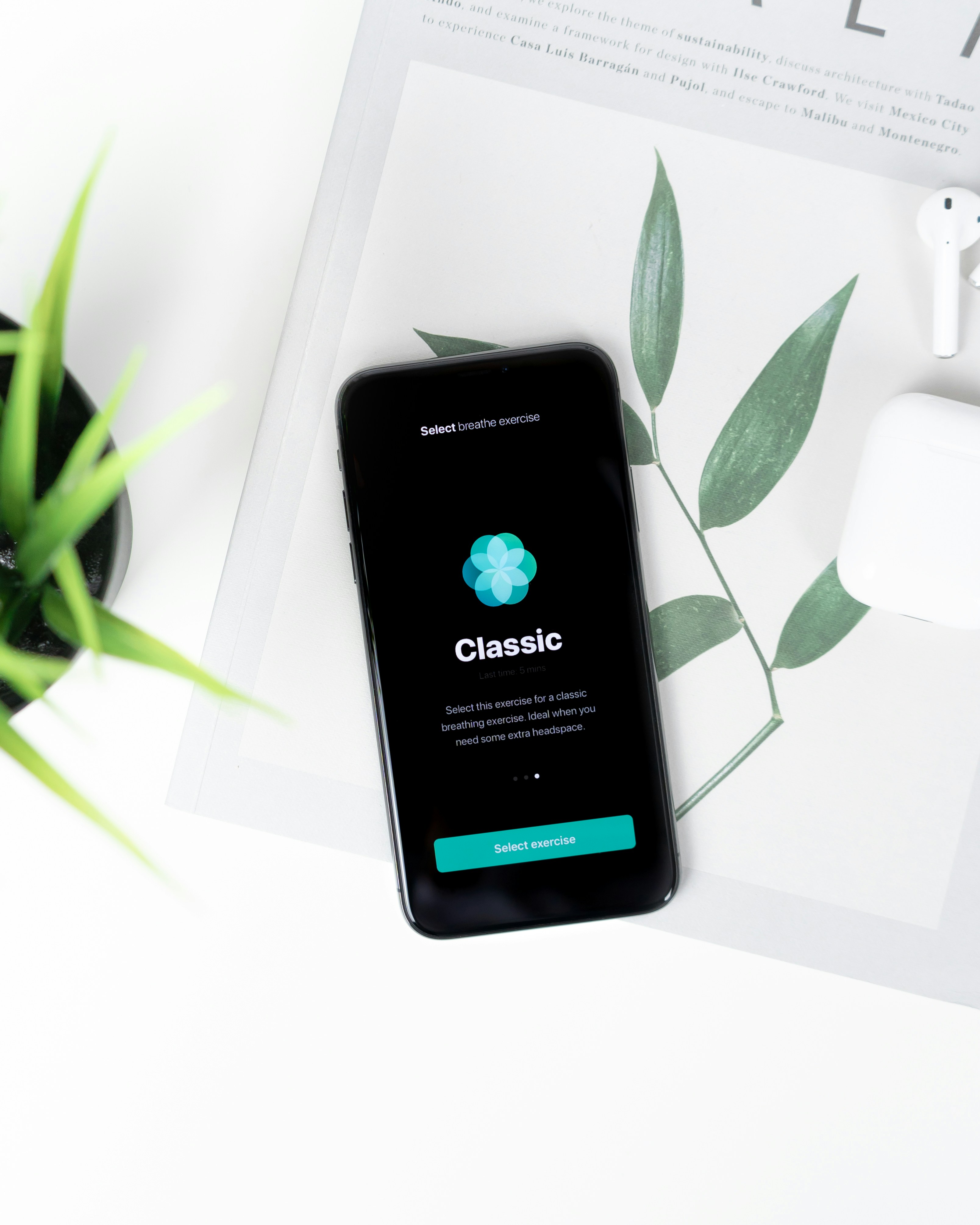
Upon launching the app, users are greeted with an intuitive interface that simplifies navigation. This user-friendly design ensures that individuals, regardless of their technical proficiency, can easily access various features. To customize their experience, users can adjust sound levels, mix different audio tracks, and even set timers for specific durations. This flexibility empowers users to create a sound environment that meets their unique preferences and helps in reducing the perceptibility of tinnitus.
In addition to its customizable audio features, our app includes guided sound therapy sessions. These sessions offer structured approaches to using sound therapy effectively. Regular use of our app is beneficial, as it can help develop a long-term coping strategy for tinnitus management. Users can experience gradual relief through consistent sound exposure, which may decrease the overall impact of tinnitus symptoms on their quality of life.
Furthermore, the app is accessible on multiple platforms, including smartphones and tablets, enhancing usability on the go. This accessibility ensures that users can engage with their sound therapy anytime and anywhere, whether at home or while traveling. Our app stands out as a comprehensive solution for tinnitus relief, merging innovative technology with user-centric design to cater to the distinct needs of those affected by tinnitus.
User Experiences and Success Stories
Many individuals suffering from tinnitus have turned to our sound therapy app, providing a valuable perspective on the effectiveness of this innovative solution. Users have reported diverse experiences, reflecting the app’s ability to cater to different types of tinnitus, highlighting its versatility and adaptability.
One user, Jane, a 34-year-old teacher, shared her success story after struggling with persistent ringing in her ears for over five years. She noted, “The sound therapy app has provided me with immense relief. I started using it at night, and the soothing sounds helped me not only manage my tinnitus but also improved my sleep quality significantly.” Her experience underscores how the app facilitated a better nighttime routine, essential for overall well-being.
Another user, Mark, a 50-year-old engineer, described his journey towards relief from auditory disturbances. “I was skeptical at first,” he mentioned, “but after using the sound therapy app daily, I noticed a marked decrease in the intensity of my symptoms. The variety of sounds available allowed me to find a mix that resonated well with me, effectively distracting me from the noise.” This highlights the individualized experience that many users encounter, allowing them to tailor soundscapes to their preferences.
Moreover, several users have emphasized the app’s user-friendly interface and ease of integration into daily life. Sarah, a retired nurse, remarked, “It’s simple to set up and fit into my routine, whether I’m at home or on the go. I can’t imagine my life without it now!” This sentiment reflects the growing community of users who advocate for the app as a transformative tool in their tinnitus management strategy.